Engaging with our stakeholders is a core part of how we design Trace4EO – ensuring that our open-source solution for EO data traceability answers real operational needs.
Over the past months, we have held dedicated meetings with key institutions, including the Joint Research Centre (JRC), the Polish Space Agency (POLSA) and Dataionics. These discussions focused on concrete challenges related to EO data provenance, reproducibility and trust in downstream products.
What we heard
- JRC highlighted that a major challenge is traceability of input data – especially when algorithms, processing baselines and methods for Sentinel data evolve over time. Maintaining reproducibility requires precise tracking of these changes and their impact on models and products.
- POLSA underlined the need for practical tools to verify the true quality of delivered maps and layers, including transparent access to information about input data, models and parameters.
- Dataionics pointed to the importance of end-to-end traceability in AI/ML workflows – from training data and pre-processing steps to model versions and inference settings – to improve explainability and accountability of EO-based services.
Why it matters for Trace4EO
These exchanges confirm that:
- robust metadata and provenance tracking are essential for reproducibility, auditing and trust;
- the methodology must support both traditional EO products and AI-based services;
- our traceability framework should help data producers and users understand how a product was generated and whether it can be trusted for decision-making.
Building a user-driven solution
Feedback from JRC, POLSA, Dataionics and other communities is feeding into:
- refinement of the Trace4EO use cases and architecture,
- prioritisation of the most critical provenance elements for end users,
- preparation for engagement with additional stakeholders, including AI/EO modelling teams.
This continuous dialogue is key to ensuring that Trace4EO becomes a credible, widely adoptable solution for EO data provenance – grounded in real-world workflows and regulatory expectations.
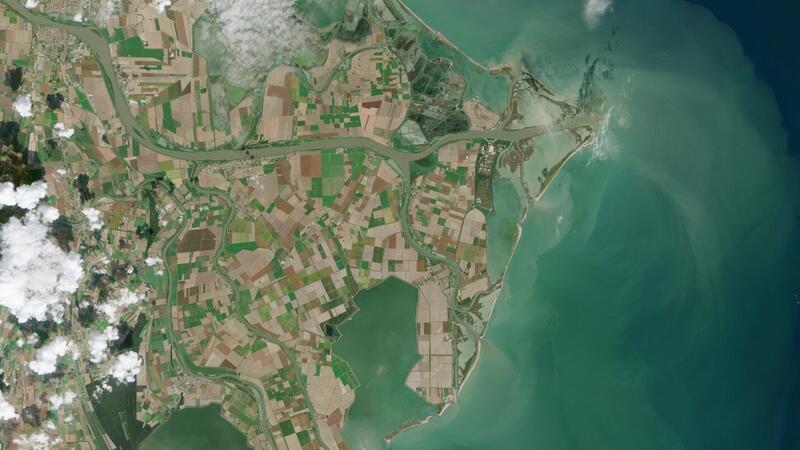
photo source: https://dataspace.copernicus.eu/